
How to Sell Your Condo in Calgary in 2025
The Ultimate Guide to Selling Your Calgary Condo in 2025: Maximizing Value in a Changing Market
Selling a condominium in Calgary's evolving 2025 real estate landscape requires strategic planning, market intelligence, and attention to detail. While the DIY approach may seem appealing, the complexities of condo sales—from documentation requirements to pricing strategies—make professional representation increasingly valuable. This comprehensive guide explores why partnering with a realtor remains a smart investment, walks you through essential preparation steps, and provides you with the market knowledge needed to maximize your return.
Calgary's 2025 Condo Market: What Sellers Need to Know
The Calgary condominium market in 2025 has evolved significantly from previous years. Understanding these dynamics is crucial for positioning your property effectively. Different areas of Calgary are experiencing varied growth patterns, with downtown, Beltline, and transit-oriented communities showing distinct price trajectories and buyer demographics. The average selling timeline for condos varies by neighborhood, price point, and property condition, with well-priced, updated units typically selling faster.
When it comes to value, current price-per-square-foot averages range widely depending on location, building age, and amenities, with luxury developments commanding premium rates. The profile of condo buyers has also shifted, with more young professionals, downsizers, and investors each seeking specific features and benefits.
Timing your sale can significantly impact results. The spring market (March-May) is traditionally the most active period with the largest buyer pool and potential for multiple offers. Summer (June-August) often attracts family-oriented buyers motivated to complete transactions before the school year begins. The fall market (September-November) typically sees motivated buyers wanting to complete transactions before winter, while the winter market (December-February), though slower, brings serious buyers meaning less competition and potentially faster sales for well-positioned properties.

Preparing Your Condo for Maximum Market Appeal
Strategic property preparation increases buyer appeal, shortens selling time, and maximizes your return. High-impact, low-cost improvements deliver significant visual improvements without major investment. Consider lighting modernization by replacing dated fixtures with contemporary styles, which typically costs between $150-300 per fixture. Hardware updates like switching cabinet handles, doorknobs, and bathroom fixtures to current finishes usually run $200-500 total. Fresh paint in neutral, on-trend colors applied to walls and ceilings makes spaces feel new and maintained for around $1,000-2,000. A professional deep cleaning service targeting grout, windows, and hard-to-reach areas creates a move-in ready impression for just $200-400.
For sellers looking to maximize return, certain strategic upgrades consistently deliver strong ROI. Flooring refresh, particularly replacing worn carpet with engineered hardwood or luxury vinyl plank, modernizes the entire unit for $3,000-7,000. A kitchen facelift involving painting cabinets and updating countertops without full renovation transforms the most important room for $2,000-5,000. Bathroom enhancement through re-glazing the tub, updating the vanity, and installing a new toilet refreshes this critical space for $1,000-3,000. Adding custom closet systems maximizes space efficiency for $800-2,000, addressing a key concern for condo buyers.
Professional staging offers distinct advantages in condominium sales. Space optimization shows how to maximize square footage through furniture placement—particularly valuable in smaller units. Target demographic styling decorates to appeal to the most likely buyer profile for your building. Creating emotional connections helps buyers envision living in the space rather than focusing on limitations. Photography enhancement ensures marketing materials showcase an aspirational lifestyle that resonates with qualified buyers.
Building-specific preparation addresses the unique aspects of condominium living. View maximization strategies highlight balconies, windows, and outdoor spaces that connect to the surrounding area. Noise mitigation solutions address any acoustic challenges common in condo living. Storage demonstration showcases clever uses of available storage areas, a top concern for many condo buyers. Community integration highlights connection to amenities and common areas that extend the living space beyond your unit.
Conducting pre-sale inspections gives you control over the transaction timeline and negotiation process. A condo-specific home inspection identifies unit-specific issues before buyers discover them, typically costing $350-500. Appliance certification professionally tests all major appliances and systems for $150-250. An electrical safety check verifies outlets, fixtures, and panel compliance for $200-300. A plumbing assessment evaluates fixtures, drains, and connections for leaks or potential issues for $150-250.
The Selling Process: Timeline and Expectations
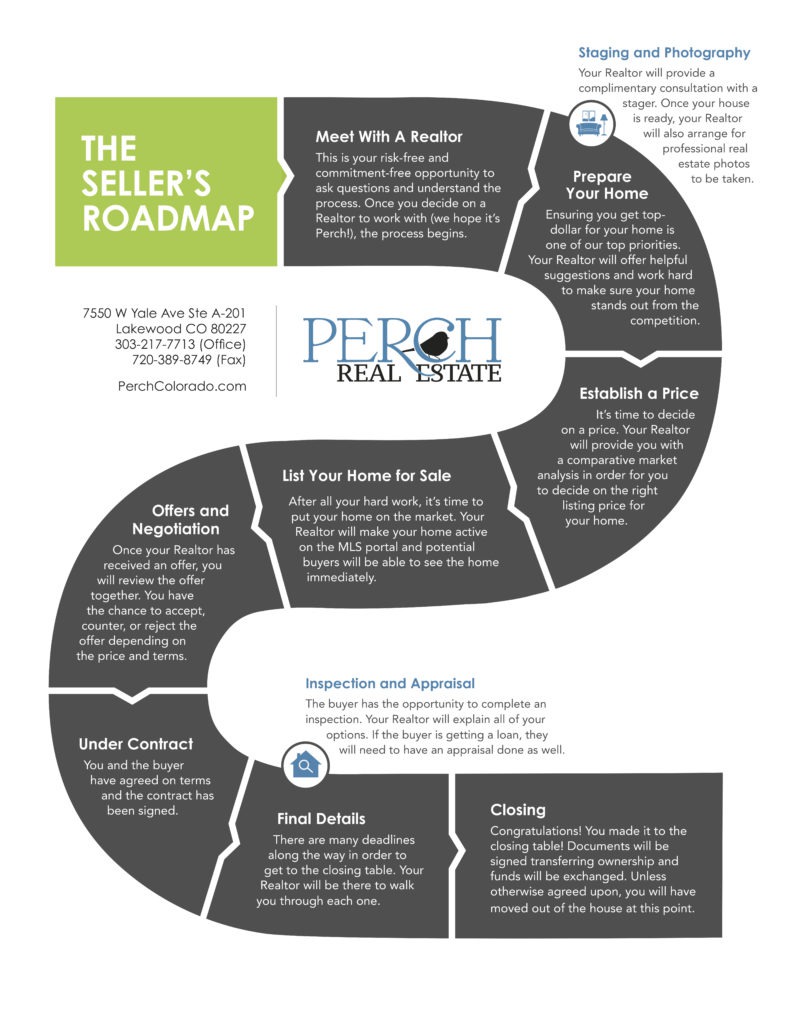
Understanding the typical timeline helps manage expectations and planning. The pre-marketing phase usually takes 2-3 weeks and involves document collection and organization, property preparation and staging, photography and marketing material creation, and pre-market exposure to realtor networks. This foundation-laying work is critical to a successful launch.
The active marketing phase typically spans 3-6 weeks and includes MLS listing and syndication across platforms, open houses and private showings, digital marketing campaigns, and weekly performance reviews with strategy adjustments. This period requires flexibility and responsiveness to market feedback.
The offer and negotiation phase generally takes 1-2 weeks and encompasses buyer offer presentations, counteroffers and term negotiations, the condo document review period, and financing condition periods. This intense phase requires strategic thinking and clear communication.
The due diligence phase lasts 1-3 weeks and may include building inspection (if requested), appraisal for buyer financing, document review by the buyer's lawyer, and condo board approval (if required). This phase requires patience and often problem-solving as issues arise.
The closing preparation phase takes 1-2 weeks and involves final walkthrough arrangements, moving coordination, utility transfer planning, and key handover logistics. This often-overlooked phase requires attention to detail and clear communication between all parties.
Anticipating potential roadblocks allows for proactive problem-solving. Document review issues arise when buyers discover concerning information in condo documents. The solution is pre-emptive disclosure with context and resolution plans. Appraisal shortfalls occur when the property appraises below sale price. Address this by providing appraisers with comparable sales data and improvement documentation. Financing complications happen when lenders express concerns about building status. Counter this with alternative lender recommendations with condo-friendly policies. Closing delays create unexpected timing issues with possession. Build flexibility into timelines and have contingency plans ready.
Special Considerations for Different Condo Types
Each type of condominium has unique selling points and challenges. High-rise luxury condos require marketing emphasis on views, security, and premium amenities. Potential buyers have expectations for concierge services and community features. The building's reputation and exclusivity factors often drive purchase decisions more than unit specifics.
Townhouse-style condos offer a different value proposition. Highlight the balance between single-family feel and maintenance benefits. Emphasize outdoor space and multi-level living advantages. Address any shared wall considerations with sound attenuation features that provide privacy.
Older buildings require specific positioning. Showcase character features and typically larger floor plans that aren't found in newer developments. Emphasize recent building envelope and system upgrades that address potential concerns. Address maintenance fee value compared to newer buildings by highlighting established reserve funds and thoughtful long-term planning.
New development resales face unique competition. Differentiate your unit from remaining developer inventory through customization and upgrades. Highlight owner improvements beyond builder specifications that add immediate value. Leverage warranty information and modern building features while demonstrating the value of an established owner's insights.

Critical Documentation: Beyond the Basics
When selling a condominium in Alberta, providing comprehensive documentation is not just a legal requirement—it's a strategic advantage that builds buyer confidence and prevents last-minute deal collapses.
Core financial documents tell the story of your building's fiscal health. The reserve fund study analysis should include context about how your building's reserve funding compares to industry standards. A special assessment history documents past special assessments, their purpose, and resulting improvements. The condo fee history showing three years of patterns provides transparency about the justification of any increases. Annual General Meeting financial reports highlight financial decisions and long-term planning that affect property values.
Building infrastructure and maintenance records reassure buyers about the property's condition. Building envelope reports detail the condition of the exterior, including any completed or planned remediation. Mechanical system assessments provide information on the age, condition, and maintenance schedule of HVAC systems. Elevator maintenance records document reliability and scheduled modernizations. Water system reports outline plumbing infrastructure assessment and any re-piping plans.
Governance and community documents help buyers understand what living in your building is really like. Pet policies and documentation explain restrictions or allowances that might affect their lifestyle. Rental restriction documentation clearly explains all rental policies, caps, and processes for investors. Community rules and culture information helps buyers understand the living environment. Board meeting patterns demonstrate stable, functional condominium governance.
Unit-specific information adds value by answering common buyer questions. Renovation history and approvals document all improvements made to your unit. Appliance warranties and manuals organized in a digital format show thoughtful maintenance. HVAC service records demonstrate the maintenance history for in-unit heating and cooling systems. Professional floor plans with measurements help buyers plan their furniture placement before moving in.
Recent updates and improvements showcase your building's commitment to maintaining value. A building upgrade timeline chronologically lists major improvements to common areas. Energy efficiency measures documentation highlights initiatives reducing utility costs. Technology upgrades information covers security systems, internet infrastructure, and smart building features. Amenity enhancements detail any upgraded or added community facilities that enhance lifestyle value.
Being transparent about potential concerns is strategically wise, as these issues typically emerge during buyer due diligence. Proactively addressing them maintains negotiation leverage. Insurance changes documentation explaining any premium increases or coverage modifications gets ahead of potential concerns. A litigation summary provides a straightforward explanation of any past or current legal proceedings. Disclosure of noise or neighbor issues includes resolution processes. Transparent information about any postponed repairs includes planned resolution timelines.
Tax Implications and Financial Considerations
Selling a condo involves important financial considerations beyond the sale price. Capital gains considerations include understanding primary residence exemption qualifications and maintaining proper documentation. Investment property sales require tax planning strategies to minimize liabilities. Both scenarios benefit from detailed record-keeping of improvement expenses that can offset gains.
GST/HST implications sometimes surprise sellers. Certain scenarios may trigger tax obligations on condo sales, particularly for substantially renovated properties or investment units. Familiarize yourself with potential exemptions and rebate possibilities that could save thousands. Maintain documentation supporting your tax positions in case of questions from authorities.
Foreign buyer considerations add complexity for international owners. Withholding requirements and compliance procedures must be carefully followed to avoid penalties. International marketing opportunities may reach motivated buyers willing to pay premium prices. Currency transaction considerations should be addressed early in the planning process to avoid exchange rate surprises.
Post-Sale Responsibilities
Disclosure obligations after sale may arise if previously unknown issues emerge. Warranty transfer procedures ensure the new owner receives the benefit of remaining coverage on appliances, renovations, or building components. Practical considerations often get overlooked in the excitement of a successful sale. Utility transfer timing and procedures should be coordinated with the closing date. Condo fee proration calculations ensure you're not paying for periods after you've transferred ownership. Insurance cancellation timing should align with your legal obligations while avoiding double coverage. Mail forwarding arrangements should be made well in advance of moving. Access card and fob return protocols should be confirmed with management to avoid potential charges.
Beyond Basic Services: What We Offer
Professional realtors provide hyperlocal market intelligence that goes far beyond what's available online. This includes building-specific sales history and trends that impact your pricing strategy, insight into which improvements yield the highest ROI in your specific condo complex, and competition analysis, including pending listings not yet visible on public platforms.
Their strategic pricing expertise involves comparative market analysis that accounts for condo-specific factors like maintenance fees, special assessments, and reserve fund health. They develop price positioning strategies based on current supply-demand dynamics in your specific building and neighborhood, and analyze comparable sales with similar floor plans, views, and amenities to determine the optimal listing price.
In today's digital-first marketplace, advanced marketing makes a substantial difference. Professional photography, videography, and 3D virtual tours optimized for mobile viewing create a compelling first impression. Targeted digital marketing campaigns reach qualified buyers through demographics and behavioral targeting. Social media strategies leverage platform-specific advantages, with Instagram showcasing visuals, Facebook enabling target marketing, and LinkedIn reaching professional networks. Many top agents also create custom property websites with detailed building information and neighborhood highlights.
Perhaps the most undervalued aspect of realtor representation is their extensive network. Pre-market exposure to buyer clients already working with your realtor's brokerage can generate early interest. Access to realtor-only networks and coming-soon platforms before public listing expands your property's reach. Established relationships with relocation services and corporate housing departments connect you with qualified out-of-town buyers.
When it comes to negotiations, experience matters. Strategic management of multiple offers can maximize your sale price. Experience with condo-specific contract contingencies and terms protects your interests. Problem-solving skills for issues arising from condo document reviews can save deals that might otherwise fall through. The ability to salvage transactions when challenges arise during the due diligence period often justifies the entire commission.
Throughout the process, transaction coordination prevents common pitfalls. Proactive identification and resolution of potential deal-breakers keeps the sale on track. Coordination with condo management companies for document requests and property access simplifies logistics. Management of showing feedback collection and security considerations protects your property. Guidance through the closing process, including moving timelines and key handover, ensures a smooth transition.
Partnering for Success
Selling your Calgary condo in 2025's complex market requires more than just listing the property—it demands strategic preparation, comprehensive documentation, targeted marketing, and expert negotiation. A qualified realtor brings not only the technical skills needed to navigate these requirements but also the market intelligence to position your property for maximum return.
By investing in professional representation, thorough preparation, and transparent documentation, you create the optimal conditions for a successful sale. Whether you're upgrading, downsizing, or relocating, the right approach transforms the selling process from a stressful transaction into a rewarding financial and personal milestone.
For personalized advice on selling your specific Calgary condominium, consult with a realtor specializing in your building or neighborhood who can develop a customized strategy aligned with your goals and timeframe.
Let’s Make Sure You Sell with Confidence
I’ve helped hundreds of sellers navigate home sales and I can help you make the right choices without unnecessary stress or surprises.
📞 Call/Text: 403-875-7629
🌐 Visit: www.kernickhomes.com